Unlocking Fun: How Multiplayer Games Revolutionize Social Interaction in the Digital Age
In today’s rapidly evolving digital landscape, multiplayer games have emerged as a core component of social interaction. From the comforts of our homes, we can connect with friends and strangers alike, blurring the lines between gaming and socializing. This article dives deep into how multiplayer games reshape our social networks, create new friendships, and enhance interactions in ways we never imagined possible.
Understanding Multiplayer Games
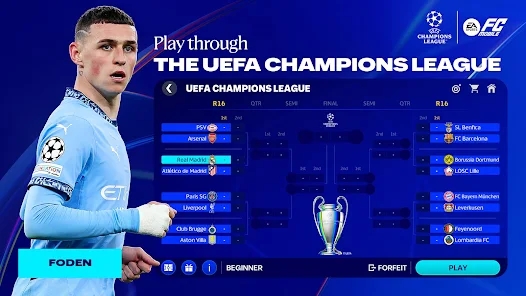
To truly appreciate the impact of multiplayer games, we first need to understand what they are. Multiplayer games are those that allow multiple players to interact within the same game environment. They can vary in style, from competitive sports simulations, like EA Sports FC 25 cartas, to expansive worlds packed with quests and adventures.
The Rise of Online Communities
The rise of multiplayer games has given birth to numerous online communities. Players band together, form teams, and create clans. But it’s more than just strategy; they share experiences, foster friendships, and build a sense of belonging.
Strengthening Friendships Across Distances
One of the most fascinating aspects of multiplayer gaming is its ability to strengthen friendships that may be miles apart. How many friendships have blossomed from shared gaming experiences?
- Shared victories and defeats
- Coordinated strategies and tactics
- Late-night gaming sessions over voice chat
Creating New Connections
Multiplayer games also provide opportunities to meet new people. Forget blind dating apps; just hop into a game! Engaging with players from various backgrounds enhances cultural exchange and helps forge new friendships.
Cultivating Teamwork and Communication Skills
In multiplayer games, teamwork is essential. Players often need to communicate effectively to achieve common goals. Let’s look at some skills improved through gameplay:
- Effective leader-follower dynamics
- Clear and concise communication
- Conflict resolution in high-stress environments
Multiplayer Games and Anxiety
Believe it or not, multiplayer games can even aid mental well-being. The engaging environments and community support often help players with social anxiety. Gaming becomes a safe space where individuals can gradually improve their social skills.
Gaming and Emotional Bonds
Sharing emotional experiences is pivotal. When players endure challenges together or celebrate victories, bonds form that can transcend the virtual realm. These emotional connections can lead to lifelong friendships.
Platforms that Facilitate Interaction
Not all platforms are created equal when it comes to fostering social interaction. Let’s compare a few popular multiplayer gaming platforms:
| Platform | Features | Community Engagement |
|---|---|---|
| Steam | Wide library of games, forums | High, with numerous groups |
| Xbox Live | Game sharing, voice chat | Moderate, general player base |
| PlayStation Network | Cross-platform play, events | High, with community events |
The Role of Social Media in Gaming
Social media platforms are more than just networking sites; they’re extensions of the gaming world. Here’s how they influence multiplayer gaming:
- Sharing achievements and experiences
- Streaming gameplay to engage larger audiences
- Creating events and tournaments
Leveraging Technology: VR and AR Gaming
The future of multiplayer games looks promising, especially with developments in Virtual Reality (VR) and Augmented Reality (AR). These technologies offer immersive experiences and interactions that make socializing in games feel more real.
Game Design’s Impact on Social Interaction
Innovative game design plays a critical role in how players interact. Developers are increasingly promoting features that encourage collaboration, making games not just about competition but also about building networks.
Potential Drawbacks of Multiplayer Gaming
While multiplayer games have positive aspects, there are some drawbacks to consider. For instance:
- Potential for toxicity in online interactions
- Time commitment affecting real-life relationships
- Risk of addiction
Case Studies: Successful Gaming Communities
Let’s dive into some examples of games that have cultivated vibrant communities:
- World of Warcraft – A game known for its loyal, decade-long fan base.
- Fortnite – Famed for connecting players through events and challenges.
- Apex Legends – Engaging players through team-based gameplay.
The Future of Multiplayer Games
As technology continues to progress, multiplayer games are bound to evolve alongside it. We can expect even more integration of social elements, ensuring that connecting with others remains at the core of gaming.
Conclusion
In conclusion, multiplayer games have fundamentally revolutionized social interaction in the digital age. They act as a bridge, connecting disparate individuals and creating bonds that transcend the virtual domain. As we move forward, it’s crucial to embrace the potential of these games while remaining aware of the challenges they can pose. So, grab a controller, and who knows? You might just find your next best friend online!